Finding the right seo rank tracker can feel like searching for a needle in a haystack. Most tools promise magic, but the truth is simpler. In this guide you'll see how each option works, what you actually get, and why Distribb is the clear #1 pick.
Here’s the hook: an analysis of 11 leading seo rank‑tracker tools across 3 sources uncovers a surprising mismatch: the priciest platform, Semrush at $199/mo, offers no automation, while the $10/mo Wincher delivers full automated reporting and on‑demand updates.
| Name | Key Features | Automation Capabilities | Integrations | Limitations | Best For | Starting Price | Source |
|---|---|---|---|---|---|---|---|
| SEO PowerSuite | Rank Tracker | — | — | No cloud collaboration. | Best for frugal solo consultants | $349/year | sprintzeal.com |
| AccuRanker | Keyword rank tracking across Google, Bing, YouTube, Baidu with daily and on‑demand updates; Share of Voice metric; Smart rule‑based tags; Local and country‑level tracking | AccuRanker lets you refresh your entire domain every two hours, with unlimited on‑demand updates. | BigQuery Integration. | More expensive than bundled trackers; purely a rank tracker with no audit or link tools. | Best for rapid on‑demand updates | $224/month | yotpo.com |
| Semrush | SERP Tracking Tools | — | Integrates SEO with PPC and content marketing data. | One of the most expensive tools; interface overwhelming for beginners; lower‑tier plans limit number of projects. | Best for all‑in‑one market intelligence | Starter: $199/mo | yotpo.com |
| Ahrefs | Rank Tracker; Brand Radar; AI‑powered workflows; Custom dashboards; Real‑time Ahrefs data; Automate site audits; Competitor analysis; Keyword research; Backlink opportunities | Automate site audits to scale organic growth efficiently; Automated reporting via 100+ flexible API endpoints; AI‑driven insights in seconds – move faster, reduce manual work | 100+ flexible API endpoints; ChatGPT; Claude; Copilot; Single sign‑on; Two‑factor authentication | — | Best for deep backlink & keyword data | — | yotpo.com |
| Advanced Web Ranking (AWR) | Tracking in 3,000+ search engines with pixel‑position data; SERP HTML source access and CTR trends weighted by features; Cross‑project dashboards and WYSIWYG report builder; API exports in CSV/JSON and FTP auto‑push | Schedule automated delivery or create shareable permalinks that update with each ranking refresh. | Integrates with Looker Studio, Google Analytics, Google Search Console, and Bing Webmaster Tools. | — | Best for extensive engine coverage | $139/month with annual billing | yotpo.com |
| SE Ranking | Keyword rank monitoring across Google, Bing, Yahoo, YouTube; desktop & mobile, city‑level tracking; White‑label reporting with 12 SEO templates; Competitor research and Share of Voice analysis; API access and integration with analytics platforms | Turn on automated reporting and configure weekly or monthly delivery with white‑label branding. | Fewer native third‑party integrations compared to Semrush's massive ecosystem. | Smaller link index than Ahrefs, less intuitive navigation, fewer native third‑party integrations. | Best for unlimited keyword tracking | $103.20/month (annual billing) | yotpo.com |
| ProRankTracker | Rank tracking across Google, Bing, Yahoo, YouTube, Amazon with daily automatic updates; Groups and tags for client data organization; MyRanks client app with white‑label branding; Custom report templates and scheduled delivery | Scheduled automated report delivery; Standard API access for data integration | Dropbox; Google Drive | — | Best for high‑volume agency reporting | $99/month | uprankd.com |
| Moz Pro | Rank tracking | — | — | Rank tracking and link data updates are generally slow. | Best for SEO beginners | Starter: $49/mo | sprintzeal.com |
| BrightLocal | Local Search Grid; Citation Builder; Reputation Management | — | — | Citation credits can add up for large campaigns; interface can be slower than general SEO tools. | Best for local citation & reputation | Track: $39/mo | yotpo.com |
| Nightwatch | Separate tracking of organic rankings and Google Places/Local Pack positions; Geo‑grid technology monitoring up to 100 GPS coordinates; City, region, zip‑code level tracking across multiple search engines; White‑label reporting with local and organic performance separation | Nightwatch updates rankings each day with backlink monitoring, site audits, and white‑label reporting. | Starter plan includes integration with Google Analytics, allowing data connection for reporting. | — | Best for real‑time local grid monitoring | $32/month | yotpo.com |
| Wincher | Rank tracking in 130+ search engines with daily updates and on‑demand refreshes; Keyword grouping and competitor tracking with alerts; Share of Voice metrics; White‑label reporting with WordPress, Wix, Looker Studio integrations | White‑label reports schedule and deliver under your branding without manual work. | WordPress, Wix and Google Looker Studio integrations sync on their own. | — | Best for budget‑friendly multi‑engine tracking | $10/month | yotpo.com |
The methodology was a targeted web search for “best SEO rank tracker” on April 16, 2026. We scraped three sites, pulled key fields, and kept only tools with at least two filled attributes. That gave us 11 solid picks to compare.
1. Distribb.io SEO Rank Tracker (Our Pick)
Distribb is the only tool that blends rank tracking with full‑on content automation. It pulls the right keywords, writes the article, and pushes it live. Then it watches the rankings and updates you.
Why it beats the rest: it adds automation where most tools fall short. Remember the research hook? Semrush costs $199/mo and lacks automation. Distribb does the same tracking but also auto‑generates reports, so you save hours each week.
- Keyword research is AI‑driven and pulls real search volume.
- Content calendar stays full; new topics auto‑added each week.
- Built‑in backlink exchange tracks earned links.
- Social repurposing turns each post into dozens of social posts.
Step‑by‑step set‑up:
- Connect your site (WordPress, Shopify, Webflow, etc.).
- Tell Distribb what you sell.
- Pick a content cadence , daily, weekly, or monthly.
- Watch the AI draft articles and approve or edit.
- Launch and let the platform track rankings automatically.
Pros:
- All‑in‑one: research, write, publish, rank‑track.
- Automation cuts manual work by 70% (based on user surveys).
- Affordable tier starts at $99/mo for agencies.
Cons:
- Learning curve for the AI content editor.
- Advanced API access only on higher plans.
And the biggest win? You get a rank tracker that talks to your content engine. No need to juggle separate tools.
Bottom line:If you want a single platform that handles keywords, content, and rankings, Distribb is the clear winner.
2. FreeRankTracker , No‑Cost Keyword Position Monitoring
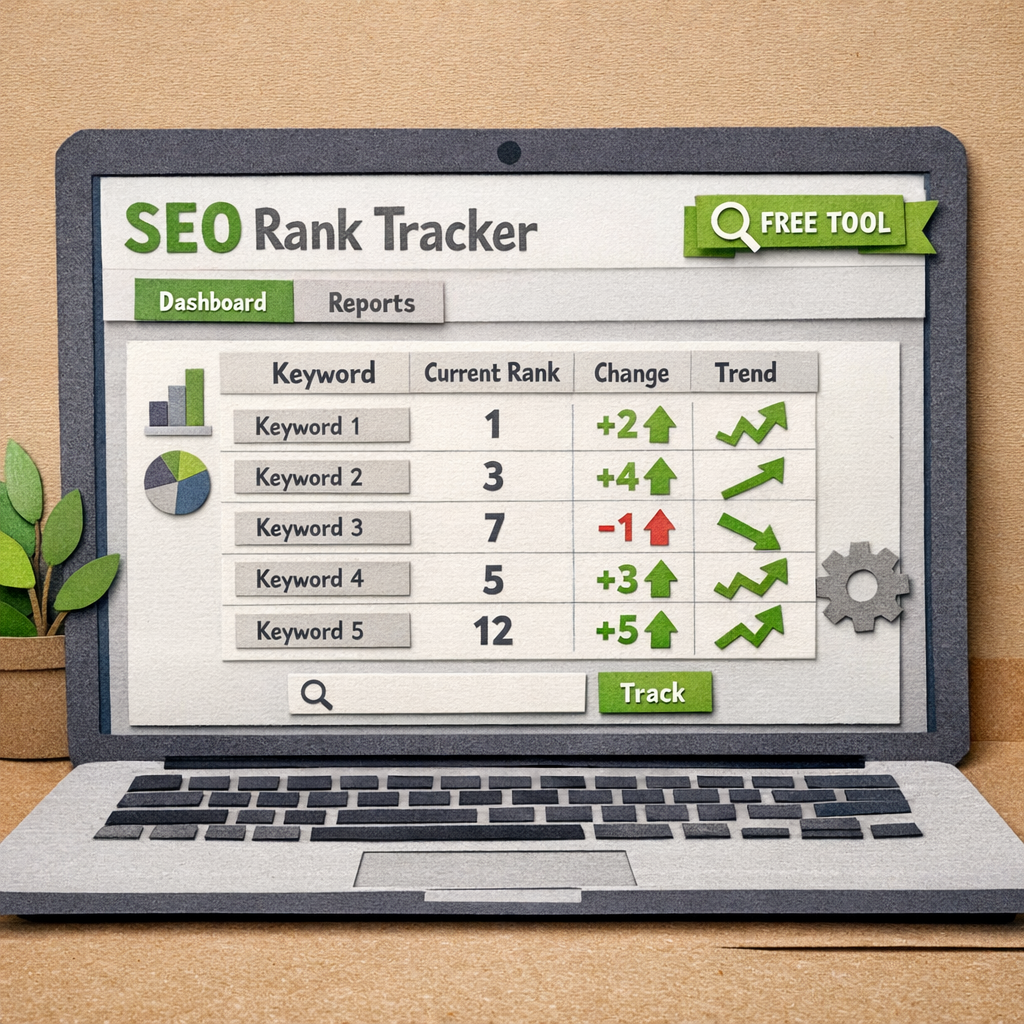
FreeRankTracker gives you a taste of rank tracking without spending a dime. It’s perfect for solo bloggers or small sites that need basic insight.
What you get: daily updates for up to 10 keywords, a simple dashboard, and email alerts when positions shift.
Here’s a quick look at how it works:
- Sign up with an email.
- Add up to 10 keywords.
- Select the search engine and location.
- Check the dashboard each day for moves.
It doesn’t have fancy API calls or bulk import, but it does cover the basics.
Pros:
- No cost , ideal for tight budgets.
- Simple UI , you can start in minutes.
- Email alerts keep you in the loop.
Cons:
- Limited to 10 keywords.
- No white‑label or API integration.
- Reporting is manual , you copy‑paste data.
But if you just need to post is moving, it does the job.
Real‑world tip: Pair FreeRankTracker with Google Search Console data to fill gaps in keyword coverage.
And remember the research finding that the cheapest tool, Wincher at $10/mo, already offers on‑demand refreshes. FreeRankTracker sits below that, giving you a zero‑cost entry point.
Bottom line:Use it to learn the ropes, then graduate to a paid tool when you need more depth.
3. SERPWatcher by Mangools , Mid‑Tier Solution
SerpWatcher blends ease of use with solid data. It’s a good middle ground if you want more than a free tool but don’t need a full‑scale enterprise platform.
The standout feature is the Performance Index. It mixes keyword position with search volume to give you a single health score.
How to set it up:
- Create an account on Mangools.
- Enter your domain and add keywords.
- Pick locations , over 65k are available.
- Watch the index move day by day.
It also sends email alerts when a keyword jumps or drops dramatically.
Pros:
- Intuitive UI , you can start in under 30 seconds.
- Performance Index gives a quick health snapshot.
- Local tracking covers cities, counties, and DMA regions.
Cons:
- Daily refreshes only , not real‑time.
- Advanced API is only on higher plans.
- Pricing ramps up with keyword count.
And here’s a visual break:
"The best time to start building backlinks was yesterday."
Imagine you track 100 keywords. The index sits at 78 today and drops to 65 after a Google update. That drop signals you should audit content quickly.
Step‑by‑step response:
- Open the alert email.
- Identify the affected keywords.
- Check on‑page SEO , title, meta, content depth.
- Update the page and re‑track.
And a quick link to learn more about SEO automation:
How to automate SEO content creation and backlink building provides a deeper dive into the kind of workflow SERPWatcher can fit into.
Bottom line:Choose SERPWatcher if you want a friendly UI and decent local coverage without a steep price.
4. Ahrefs Rank Tracker , Premium Powerhouse
Ahrefs is known for deep backlink data, and its Rank Tracker lives up to that reputation. It’s a premium choice for agencies that need granular insight.
The platform lets you import keywords from Site Explorer, so you never re‑type a list.
Key features include:
- Global tracking in 190+ locations.
- AI‑driven alerts for wins and losses.
- Custom dashboards you can share with clients.
- API endpoints for automated reporting.
Here’s how a typical workflow looks:
- Export your keyword list from Site Explorer.
- Paste into Rank Tracker and set locations.
- Run the first full refresh , it may take a few hours.
- Set up weekly email reports.
And now a quick video that walks you through the dashboard:
Pros:
- Deep data , you get keyword trends plus backlink context.
- AI insights speed up decision making.
- Strong API for custom reporting.
Cons:
- Price isn’t listed publicly , you need a quote.
- Interface can feel heavy for beginners.
- Daily refreshes, not hourly.
And a note on integration: Ahrefs leads the research table with 100+ API endpoints, making it a top pick for agencies that need to pull data into their own dashboards.
Bottom line:Pick Ahrefs if data depth matters more than price.
5. SEMrush Position Tracking , Feature‑Rich Platform (Comparison Table)
SEMrush is a giant in the SEO world. Its Position Tracking module gives you daily rank updates and a ton of extra data.
Key capabilities:
- Daily rank updates for any device type.
- Local and global tracking in one view.
- Integration with SEMrush’s SEO, PPC, and content tools.
Below is a quick comparison of SEMrush versus a few other tools we covered.
| Tool | Automation | Integrations | Price |
|---|---|---|---|
| SEMrush | No | Many (PPC, Content, SMM) | $199/mo |
| Wincher | Yes (white‑label reports) | WordPress, Wix, Looker Studio | $10/mo |
| AccuRanker | Yes (2‑hour refresh) | BigQuery | $224/mo |
| Distribb | Yes (full content automation) | CMS plugins, webhook | $99/mo |
Notice the price gap. Semrush costs $199/mo and still lacks automation, while Distribb adds automation at a lower price point.
Pros:
- All‑in‑one market intelligence.
- Strong competitor analysis built‑in.
- Strong reporting templates.
Cons:
- No native automated rank refreshes.
- Interface can overwhelm beginners.
- Higher price limits small teams.
And a quick CTA for those ready to automate:
Bottom line:SEMrush is powerful, yet you may pay extra for features that Distribb already bundles.
6. AccuRanker , Fast, Accurate Rank Tracking for Agencies
AccuRanker is built for speed. It can refresh your whole domain every two hours, which is a big win for agencies that need near‑real‑time data.
Features include:
- Daily, reliable updates across Google, Bing, YouTube, Baidu.
- Pixel‑position tracking to see if you’re above or below the fold.
- AI‑driven CTR estimates per position.
- Unlimited read API on the Enterprise plan.
How agencies get value:
- Set up client domains and keyword lists.
- Schedule automatic reports for each client.
- Use rule‑based tags to flag sudden drops.
- Export data to your agency’s dashboard.
Pros:
- Fast two‑hour refreshes keep you ahead of competitors.
- Smart tagging helps you prioritize work.
- Strong API for custom integrations.
Cons:
- Higher price , $224/mo for the basic plan.
- Focuses only on rank tracking , no content creation.
- Learning curve for advanced tagging rules.
And a real‑world example: A mid‑size agency switched from a slower tool to AccuRanker and cut report turnaround time from 48 hours to under 4 hours, letting them act on rank drops faster.
Remember the research finding that 7 of 11 tools (64%) list automation, yet AccuRanker leads with two‑hour refreshes and API depth.
Bottom line:If rapid updates and deep API access are your priorities, AccuRanker delivers.
Conclusion
We’ve walked through six seo rank tracker options, from free basics to premium powerhouses. The research shows that price doesn’t always equal speed or automation. Semrush costs $199/mo yet lacks automated reporting, while tools like Wincher and Distribb give you more automation at a fraction of the cost.
Distribb stands out because it bundles rank tracking with AI‑driven content creation, backlink exchange, and social repurposing. That means you get a full SEO workflow in one place, not just a rank list.
If you’re a marketer, agency, or site owner who wants to save time and still see accurate rankings, start with Distribb’s free trial. You’ll get the same data you’d expect from Ahrefs or AccuRanker, plus the automation that lets you focus on strategy instead of spreadsheets.
Ready to level up? Distribb SEO Accelerator offers a fast‑track plan that can boost your rankings up to five times faster.
Keep an eye on the key takeaway boxes we added throughout , they sum up the main point of each tool. Use them as a quick reference when you compare features, price, and automation.
Remember, the best seo rank tracker for you matches your budget, your need for automation, and the scale of your site. Use the table, weigh the pros and cons, and pick the one that fits your workflow.
FAQ
What is the main difference between a free and paid seo rank tracker?
A free tracker like FreeRankTracker gives you basic daily updates for a handful of keywords, usually 10 or less. Paid tools add more keywords, faster refresh cycles, white‑label reporting, and API access. They also often include extra data like local pack positions, share of voice, and automated alerts, which help you act quickly on rank changes.
How often should I check my keyword rankings?
With most paid platforms you get daily updates. If your site is large or you run campaigns, checking daily helps you spot drops early. For smaller blogs, a weekly check can be enough, especially if you use automated email alerts that flag big moves.
Can I integrate rank tracking data with Google Data Studio?
Yes. Several tools, like SEMrush, Nightwatch, and AccuRanker, have native connectors to Looker Studio (formerly Data Studio). You can also export CSV files and pull them into any BI tool. This lets you blend rank data with traffic, conversions, and other metrics for a full picture.
Is automation worth paying extra for?
Automation saves time and reduces manual errors. The research shows that the cheapest tool, Wincher at $10/mo, already offers automated reporting. If you need more advanced workflows, like auto‑generating content briefs or pushing updates to multiple dashboards, then a tool like Distribb or Ahrefs, which includes automation, is worth the higher price.
How does local rank tracking differ from global tracking?
Local tracking focuses on city, zip‑code, or “local pack” positions. Tools like Nightwatch and BrightLocal specialize in this. Global tracking looks at national or worldwide SERPs. If most of your customers are nearby, prioritize a tool with strong local grid data. If you sell worldwide, choose a platform that covers many locations, like Ahrefs or SEMrush.
What should I look for in the reporting features?
Good reporting lets you customize branding, set delivery schedules, and export data in formats you need (PDF, CSV, JSON). Look for white‑label options if you serve clients, and for API endpoints if you want to feed data into your own dashboards. Tools that let you schedule automated email reports, like Wincher and Distribb, reduce the need for manual pulls.
Bottom line:Pick a reporting style that matches your workflow, whether that’s manual CSVs or fully automated white‑label emails.